How Exercise, Sleep & Stress Shape Prostate Wellness
Three lifestyle factors consistently emerge as the most influential in prostate health research. Each operates through distinct biological mechanisms — and all are actionable starting today.
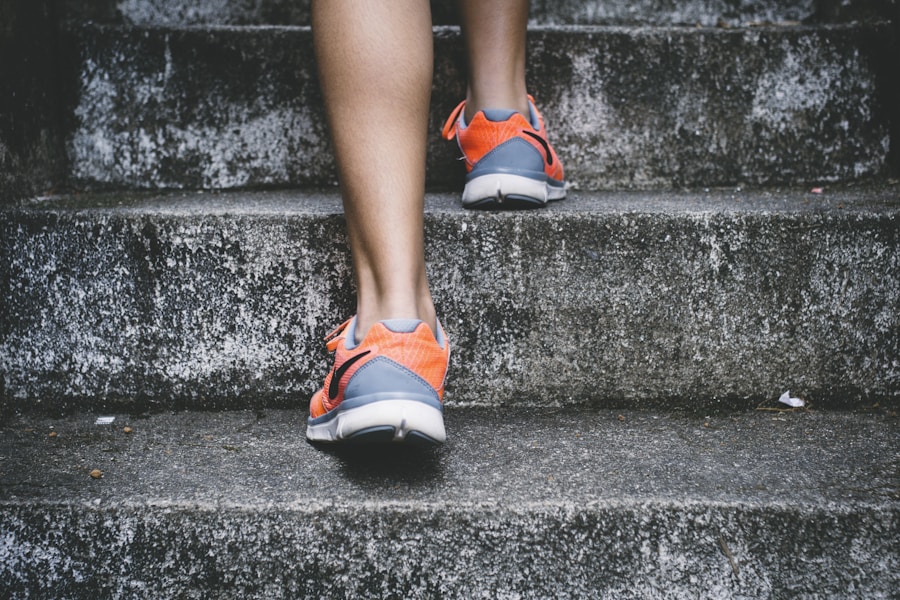
Exercise: 32% Improvement in LUTS Scores
Physical activity is one of the most consistently cited prostate-protective factors in urological research. A systematic review in European Urology found men with ≥150 minutes/week of moderate aerobic exercise had significantly lower prostate inflammatory markers and Lower Urinary Tract Symptom scores versus sedentary peers.
Best Exercise Types for Indonesian Men
- Brisk walking (30 min/day) — Most universally recommended. Reduces pelvic inflammatory cytokines. GBK, neighborhood taman, or mall routes before 8 AM in Jakarta's heat.
- Badminton (45 min, 3×/week) — Indonesia's national sport is an excellent aerobic workout for prostate wellness. Low-impact, social, accessible.
- Swimming — Best for men with existing CPPS symptoms. Zero perineal compression, full cardiovascular benefit.
- Pelvic floor exercises (daily) — 10–15 Kegel contractions (5-sec holds, 3 sets). The most direct prostate-supportive exercise. Discreet, free, takes 5 minutes. See our care guide for technique.
- Standing breaks — Every 60 minutes at a desk: stand and walk 5 minutes. Perineal compression from prolonged sitting is a primary CPPS driver.
Sleep: When Prostate Biology Happens
90% of daily testosterone production occurs during sleep. Inflammatory cytokine regulation, cellular repair, and hormonal axis resetting all peak during deep sleep stages. No diet or exercise regimen can fully compensate for chronically disrupted sleep.
- Target 7–8 hours at consistent timing (±30 min daily) — circadian regularity matters as much as total hours
- Cool room: 23–25°C
- Reduce fluids 2 hours before bed to minimize nocturia
- No screens 60 minutes before sleep (blue light suppresses melatonin)
- If you snore heavily: evaluate for sleep apnea — common among Indonesian men and directly disrupts hormonal health
Stress Management: The CPPS Connection
Chronic stress elevates cortisol, which suppresses the hypothalamic-pituitary-gonadal axis (reducing testosterone), increases aromatase activity, and — most directly relevant — drives chronic pelvic floor muscular tension, which is the primary physical mechanism of CPPS symptoms. For Jakarta professionals, stress management may be the highest-leverage single intervention available.
5 min: 4-7-8 diaphragmatic breathing · 10 min: Guided meditation (Insight Timer app, free) · 5 min: Light pelvic floor stretching. This routine measurably reduces cortisol and pelvic floor tension accumulated during a working day.
Pair this lifestyle guide with our Nutrition Guide and complete Care Guide for the full evidence-based picture.
Lifestyle guidance for general wellness purposes only. Does not constitute medical advice. Consult a licensed physician or spesialis urologi for personal health evaluation and any concerning symptoms.